Formula compatibility
Material, gasket, coating, pump and decoration choices should be checked against the formula and target market requirements.



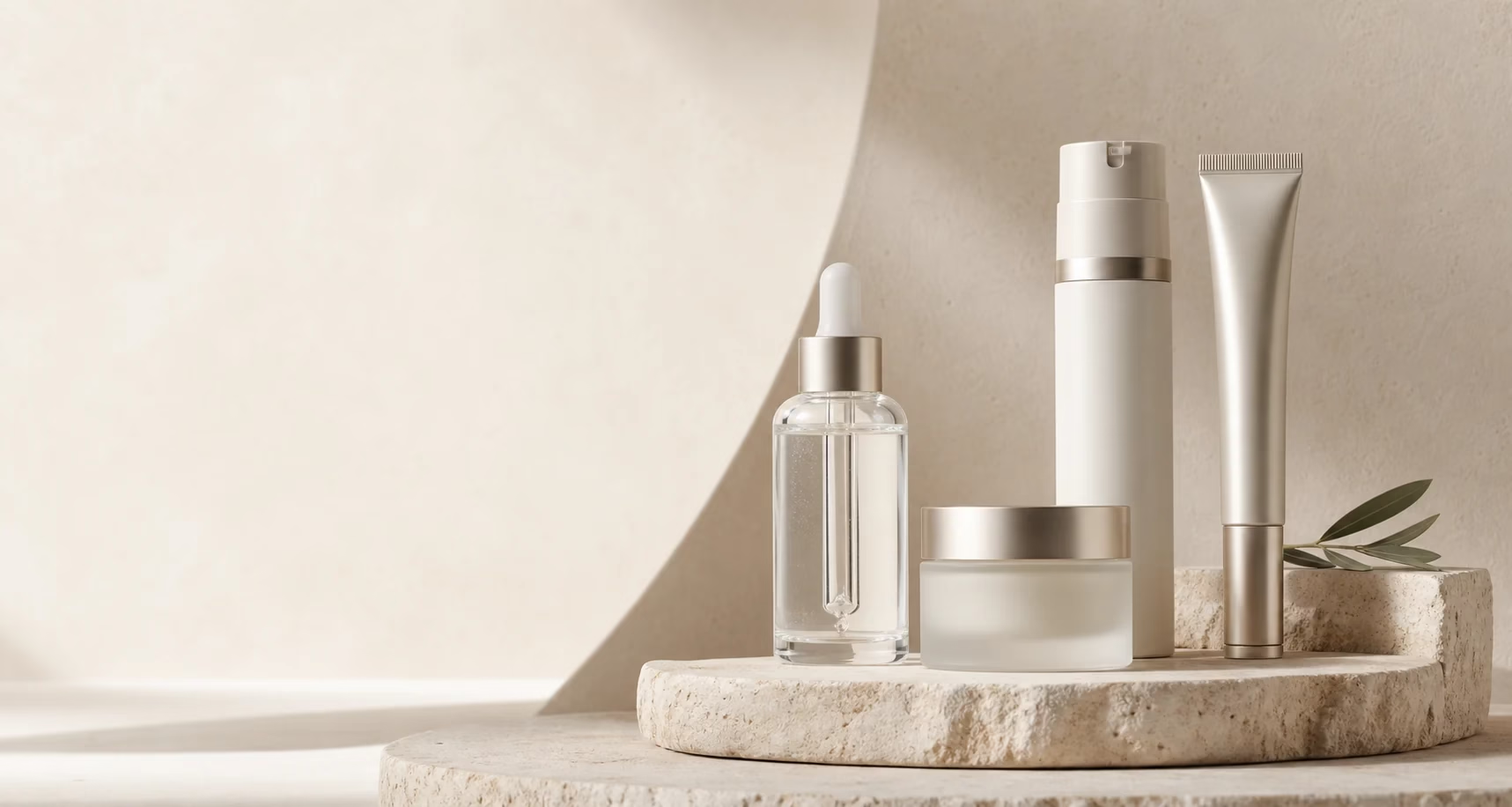
Choose packaging systems by formula viscosity, dosage, exposure risk, hygiene needs and the experience your customer expects from skincare, makeup, fragrance or haircare.
The same bottle, jar or tube can perform very differently depending on formula behavior, filling method, storage conditions and daily handling.
Application pages help product teams connect the commercial category to packaging decisions: airless or pump, glass or plastic, jar or tube, applicator or spray, refillable or single-use, decorated stock component or proprietary system.
Each application route links buyers to relevant product families, material choices, compatibility checks and commercial next steps.
Serum, cream, lotion, toner, oil and mask formats evaluated by viscosity, air exposure, light protection and hygiene.
Compacts, lip gloss, mascara, sticks and complexion packaging shaped by applicator feel, shade range and closure performance.
Perfume bottles, sprayers, caps and boxes coordinated for scent presentation, pump choice and outer packaging hierarchy.
Shampoo, conditioner, treatment, serum and spray formats focused on fill volume, bathroom usability and leakage control.
Use these criteria to narrow product types before comparing materials, capacities, dispensing systems and decoration options.
Thin liquids may need droppers or sprays; lotions need pump output control; creams often require jars, airless jars or tubes.
Airless, opaque, amber or secondary packaging can reduce specific exposure risks when the formula calls for it.
Pumps, droppers, applicators and orifice reducers shape customer usage, perceived value and product waste.
Packaging can reduce direct contact through pumps, tubes, airless systems, spatulas or single-direction dispensing.
Closure fit, torque, liners, plugs, caps and shipping tests should be matched to formula and distribution route.
Material weight, finish, cap color, decoration and box structure decide whether the system feels clinical, natural, luxury or functional.
Application pages should never stop at inspiration. They should guide buyers toward product families, material pages, testing support and quote-ready specifications.
Build an application briefStrong application pages help buyers understand why a packaging recommendation is made, not just which product looks suitable.
Material, gasket, coating, pump and decoration choices should be checked against the formula and target market requirements.
Output amount, spray pattern, priming, clogging and repeat usage should be reviewed before production decisions.
Leakage, cap fit, temperature exposure, carton protection and shelf handling influence final component selection.
Capture viscosity, product category, dose target, hygiene requirements and market positioning.
Compare bottles, jars, tubes, applicators, closures and materials against the application need.
Review samples, finish targets, compatibility, leakage, function and transport performance.
Finalize capacity, component set, decoration, quantity, packaging route and launch timing.